Planners ask us this one every conference season. The keynote needs a microphone, the panel needs four more, and somebody has to decide whether the CEO is holding something or wearing something. Here is how we decide it, and why the answer changes between the general session and the awards dinner.
What a wireless handheld actually gives you
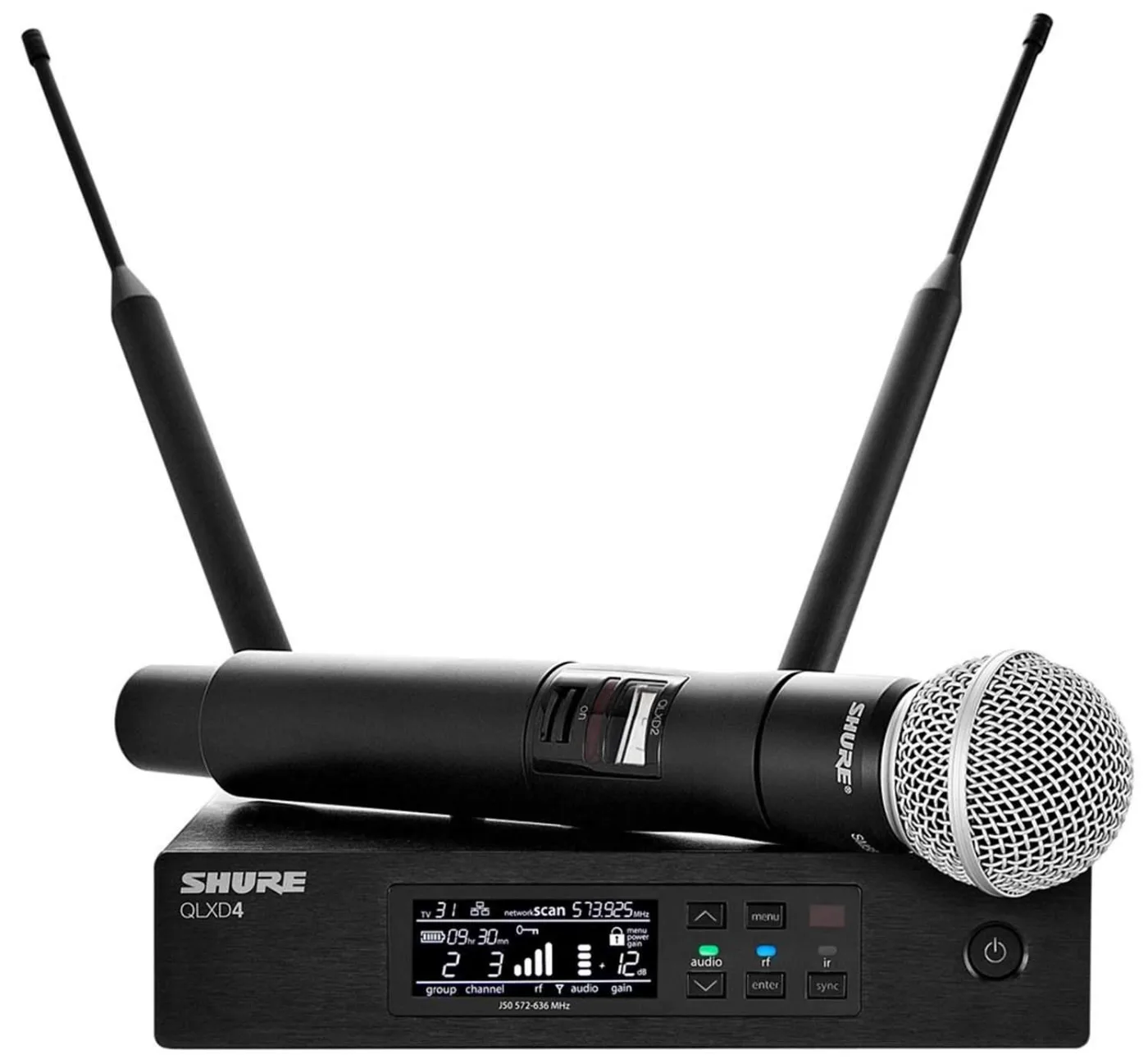
A wireless handheld is the black stick with a grille on the end and a transmitter built into the body. It sends to a receiver in our rack, and that receiver feeds the console. Nothing on the presenter but the microphone in their hand.
The reason we reach for it first at a conference is control. The capsule sits two or three inches from the mouth, which means we are amplifying the speaker far more than we are amplifying the room. That gap is what lets us get real volume out of a system before anything rings. It also survives a bad room, a loud room, and a presenter who talks quietly.
The cost is that it occupies a hand. Someone clicking through slides, holding notes, or shaking hands on stage now has one hand for all of it.
What a lavalier actually gives you
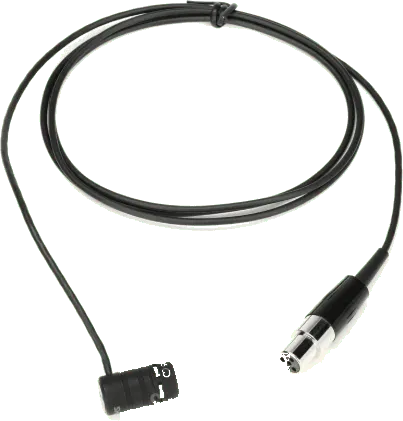
A lavalier is the small capsule that clips to a lapel or a collar, wired down to a bodypack transmitter that lives in a pocket or on a belt. We use the Shure WL185 and WL93 on our bodypacks, and they disappear on camera, which is most of the appeal.
Hands free is the real feature. A presenter working a clicker, a demo, or a whiteboard needs both hands, and an executive who moves while they talk should not be thinking about a microphone at all. If the session is being recorded or streamed, a lav also keeps the shot clean.
The trade is distance. The capsule now sits eight to twelve inches away, below the chin, off axis from the mouth. That is a real drop in level before we have done anything, and everything we do to make up for it also makes up for the room.
The sound quality difference, honestly
A handheld sounds better in more rooms. Not because the capsule is better, but because of where it sits. Halve the distance to the mouth and you get a large jump in level for free, and that headroom is the whole game in a ballroom.
A lavalier can sound excellent. It needs a cooperative room, careful placement, and someone actually listening during the program. Clipped too low it sounds dull. Clipped under a lanyard or a badge it sounds like sandpaper every time the presenter turns their head. Put a scarf or a jacket collar over it and it is gone.
The part people underestimate is that a lav hears everything in the room at close to the same level it hears the presenter. Air handlers, the espresso machine in the foyer, and the table of eight who are still catching up all arrive with the voice.
Rooms where we will not put a lavalier on your keynote
- Hotel ballrooms with hard ceilings and long reverb
- Convention center halls broken up by air walls
- Gyms, field houses, and anything with a bleacher wall
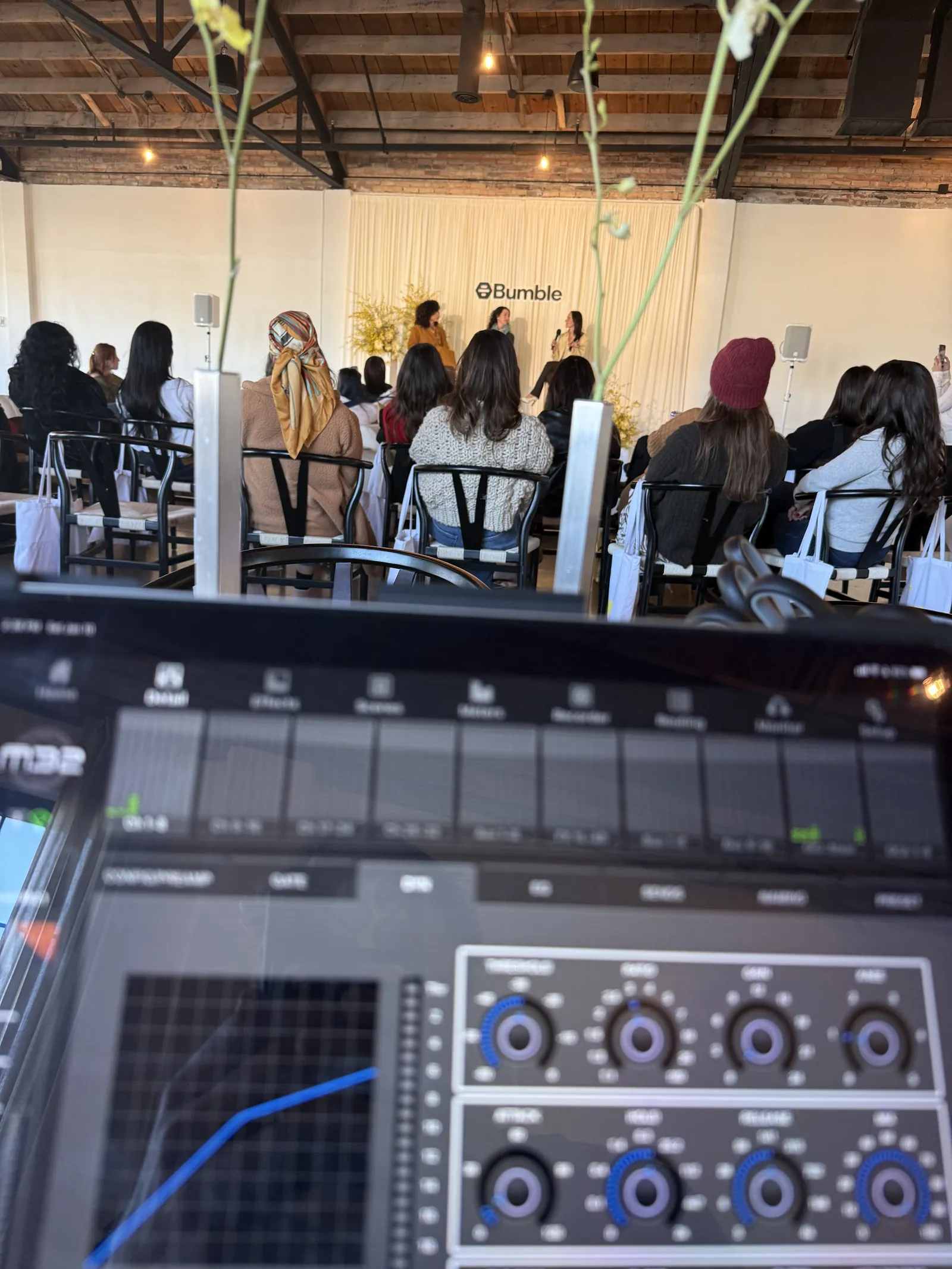
- Warehouse and brewery venues with brick, concrete, and glass
- Rooms where lunch service overlaps the program
- Breakout rooms small enough that the speakers are close to the presenter
- Any outdoor session with wind on it
In those rooms we will tell you a handheld or a headset is the safer call, and we would rather have that conversation in the walkthrough than at 8:55 on show day.
Outdoor and hybrid sessions need a separate plan
Wind is the one that ends a lavalier. The capsule sits out on a lapel with nothing in front of it, and even a light breeze becomes low frequency noise under every word. Handhelds handle it better because of the windscreen and the working distance, and we still bring foam and fur for both.
Wireless coordination is the other outdoor factor, and it applies indoors at a convention center too. A hall running four sessions at once has other people's frequencies in the air. We scan and coordinate the whole rack before doors, which is why we ask what else is happening in the building that day.
Which microphone for which moment
Most conferences do not pick one. They pick per moment, and the run of show tells us how many channels to bring.
- Keynote. Lav or headset if the speaker is moving and being recorded. Handheld if the room is difficult or the speaker is soft.
- Panel. A handheld per panelist, or a lav per panelist if the panel is on camera. Four channels is the common number, and we rent them as a quad rack.
- Awards. Handhelds. Winners are unpredictable, the podium is not always where they end up, and passing a microphone is faster than clipping one on.
- Toasts and dinner remarks. Handheld, every time. It gets passed down a table, it works standing anywhere in the room, and nobody has to wear a bodypack over a suit.
- Q and A from the floor. Two handhelds on runners. This is the channel most planners forget, and it is the one the recording needs most.
- Lectern remarks. A gooseneck at the lectern, which frees a wireless channel for somewhere it matters.
The option nobody asks for by name
The earset splits the difference. It rides on the ear with the capsule at the corner of the mouth, so it keeps the working distance of a handheld and the free hands of a lavalier. We carry the Countryman H6 in tan for exactly this. It is the right answer more often than it gets requested, and it is what we suggest when a keynote is both mobile and on camera.
The other quiet upgrade is spares. We build in a spare channel and spare batteries as a matter of course, because a dead pack during a general session is the failure everyone in the room notices.
The short version
Handhelds are more forgiving and win in hard rooms. Lavaliers look better and free the hands, and they need the room to cooperate. Most conferences use both across a day, and the decision is made session by session rather than once.
If you tell us the room, the run of show, and whether it is being recorded, we will tell you which microphone goes on which speaker and how many channels it takes. Every wireless system in this article is on our rental page with published rates, and if you would rather we run it, that is on the corporate AV page.